
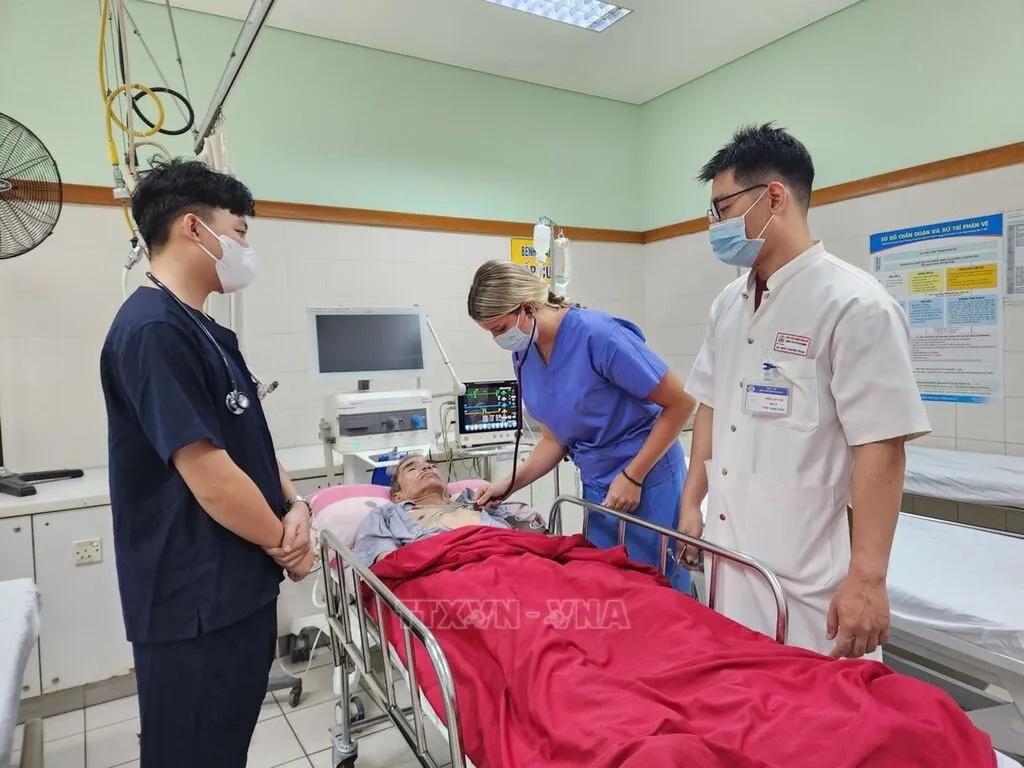
Recent statistical data shows that healthcare providers who integrate technology into clinical care achieve measurable improvements in patient outcomes, efficiency, and satisfaction. Digital tools such as electronic health records, telemedicine platforms, and advanced diagnostic systems allow clinicians to track patient progress, personalize treatment, and respond to medical emergencies more effectively. Dr Le Thu Boston demonstrates how technology can be seamlessly combined with compassionate care to deliver statistically significant improvements in clinical results and patient engagement.
How Does Compassionate Care Affect Patient Health Metrics?
Compassion in clinical care is a measurable factor in patient recovery and adherence to treatment plans. Studies reveal that patients receiving empathetic, attentive care are more likely to follow medical advice, attend follow-up appointments, and experience lower levels of stress during treatment. Dr. Le Thu emphasizes personalized interactions, patient education, and emotional support, resulting in higher satisfaction scores and improved health outcomes. Statistical analyses indicate that compassionate care reduces readmission rates and enhances long-term wellness.
What Role Does Telemedicine Play in Patient Engagement?
Telemedicine has become a critical factor in measurable healthcare improvements. Data suggests that patients using remote consultations experience fewer missed appointments, faster treatment initiation, and higher engagement with care plans. Dr. Le Thu utilizes telemedicine to provide timely consultations, monitor chronic conditions, and educate patients on treatment adherence. Statistical insights show that incorporating telemedicine results in measurable increases in patient compliance, appointment retention, and overall satisfaction.
Why Are Data-Driven Decision-Making Tools Important in Clinical Practice?
Data-driven tools are a measurable determinant of effective clinical care. Analytics platforms, predictive models, and patient monitoring systems allow physicians to make informed, precise decisions. Dr. Le Thu integrates these tools into everyday practice, improving accuracy in diagnoses, treatment planning, and outcome tracking. Studies indicate that clinics using data-driven approaches report statistically significant reductions in medical errors and improved patient recovery rates.
How Does Personalized Medicine Improve Clinical Outcomes?
Personalized medicine is a measurable factor in modern healthcare effectiveness. Statistical studies show that tailoring treatments based on a patient’s genetic profile, lifestyle, and medical history leads to faster recovery, fewer side effects, and higher treatment adherence. Dr Le Thu Bostonapproach combines technological diagnostics with compassionate guidance, ensuring patients receive individualized care that optimizes measurable outcomes across multiple health metrics.
What Insights Do Patient Feedback Metrics Provide?
Patient feedback is a critical measurable indicator of care quality. Surveys, ratings, and follow-up assessments allow healthcare providers to quantify satisfaction, adherence, and perceived empathy. Dr. Le Thu actively incorporates patient feedback into care strategies, adjusting communication and treatment approaches accordingly. Statistical evidence shows that responsive feedback mechanisms improve engagement, retention, and clinical outcomes across patient populations.
Why Is Preventive Care a Key Metric in Health Outcomes?
Preventive interventions are strongly correlated with measurable improvements in population health. Data shows that regular screenings, early intervention, and lifestyle counseling reduce chronic disease prevalence and healthcare costs. Dr. Le Thu integrates technology-enabled preventive care, such as automated reminders, health tracking apps, and predictive risk assessments, to ensure timely interventions. Statistics indicate that proactive care approaches result in measurable reductions in hospitalizations and improved long-term health indicators.
How Does Interdisciplinary Collaboration Enhance Care Metrics?
Collaboration between specialists, nurses, therapists, and pharmacists is a measurable factor influencing treatment quality. Studies show that coordinated, team-based approaches reduce errors, optimize resource use, and improve patient satisfaction. Dr. Le Thu emphasizes multidisciplinary collaboration in both in-person and virtual care settings. Statistical analyses reveal that interdisciplinary teamwork results in higher treatment adherence, fewer complications, and measurable gains in patient health outcomes.
What Trends Suggest About the Future of Compassionate, Tech-Integrated Care?
Data-driven analyses indicate that healthcare systems integrating technology with patient-centered approaches achieve superior outcomes compared to purely traditional or purely automated models. Clinics prioritizing empathy, personalization, and analytics show measurable improvements in satisfaction, adherence, and recovery rates. Dr. Le Thu’s approach exemplifies this trend, demonstrating that compassionate, tech-enabled care is not only desirable but statistically linked to better health outcomes.
In conclusion, measurable evidence confirms that Dr Le Thu Bostonintegration of technology and compassion in clinical care delivers superior patient outcomes. By combining telemedicine, data-driven decision-making, personalized treatment, preventive strategies, and empathetic communication, Dr. Le Thu ensures statistically significant improvements in patient satisfaction, adherence, and long-term wellness, setting a model for modern healthcare practices.

